In this article
Menstrual pain is a common condition affecting many women. From the usual monthly period pains to the distressing 'pains but no blood', this article delves into the intricacies of menstrual cramps, their causes, and possible remedies.
What Causes Menstrual Pain?
During menstruation, menstrual pain or cramps, medically termed dysmenorrhoea, arises from the contracting uterus or womb. The uterus contracts to help expel its lining, which results in a period. Prostaglandins, hormone-like substances involved in pain and inflammation, trigger the uterine muscle contractions. High levels of prostaglandins may cause more intense menstrual cramps.- Having Pains Like Period Pains but No Blood: This phenomenon concerns many women. One can experience such 'period pains but no period' for various reasons, including ovarian cysts, pelvic inflammatory disease, and the presence of an intrauterine device (IUD).
- Period Pains after Periods: Feeling cramps after the menstrual cycle might indicate underlying conditions such as endometriosis or uterine fibroids.
- Sharp Pain in Lower Left Abdomen in Females: Such specific pain can be attributed to numerous causes, including ovarian cysts or gastrointestinal issues.
What Can Help Reduce Period Pains?
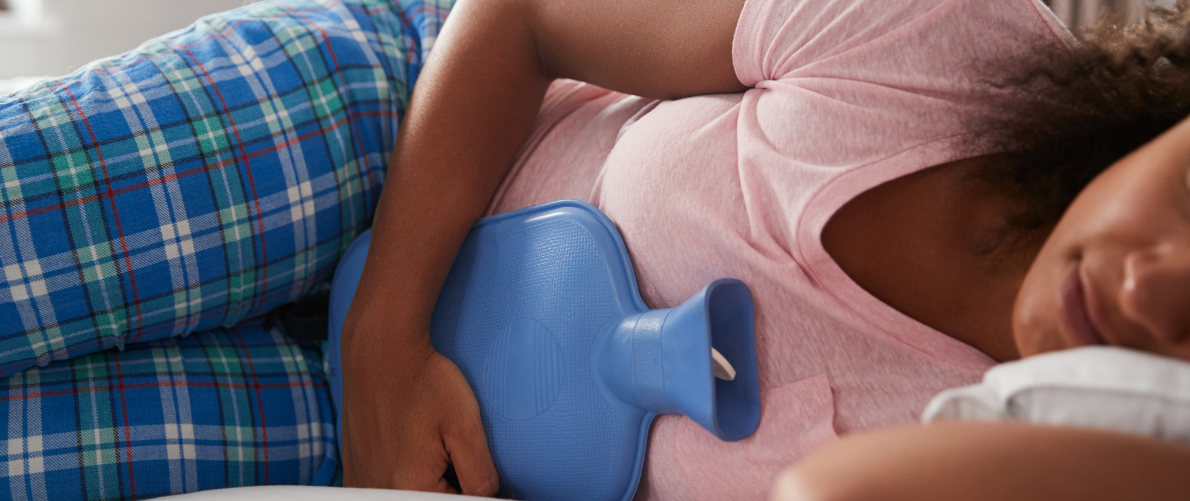
- Heat: Applying a heating pad or heat patches to the abdomen can relax the contracting muscles in your uterus, providing relief.
- Pain Relief Medications: Over-the-counter pain relievers and anti-inflammatory painkillers like Nurofen tablets for period pains can be effective. Additionally, some women find relief with the contraceptive pill, which can regulate periods and reduce pain.
- What to Drink: Herbal teas can provide some relief, particularly those with anti-inflammatory properties. Always consult a healthcare provider before incorporating any new remedy into your regimen.
- Bloating Medicine: Bloating can accompany menstrual pain. Over-the-counter bloating medicine can provide relief, especially if you experience severe pain accompanied by bloating.