In this article
The human body, a magnificent creation, has its unique ways of self-maintenance. One such aspect, commonly overlooked yet vital to our well-being, is ear wax. Often seen as an inconvenience, this naturally occurring substance protects our ears. But when does ear wax go from being beneficial to bothersome? And how does one approach the removal micro suction method or decide on the best ear wax removal tool?
What is Ear Wax?
Ear wax, scientifically termed cerumen, is a naturally produced waxy secretion in the ear canal. It acts as a protective barrier, trapping dust, debris, and microorganisms, preventing them from reaching the sensitive inner ear. As such, a certain amount of ear wax is not only expected but essential for our ear's health.Symptoms of Excess Ear Wax
An accumulation of ear wax can lead to various symptoms. Some might say their ear feels clogged, but no wax is visible, which can be perplexing. Others may experience hearing loss, tinnitus, earache, and even vertigo. It's essential to recognise these signs and address them appropriately.The Myriad Ways of Ear Wax Removal
Removal Microsuction:
This is a modern method wherein a small device gently removes excess wax. It's quick and considered safer than some other methods, especially for those who have had ear surgery or a perforated eardrum.Ear Wax Syringe:
Contrary to its daunting name, an ear wax syringe isn't used to inject anything. Instead, it's used to flush out the wax using a saline solution, making it a popular home remedy. However, incorrect usage can lead to complications, so using under guidance is advisable.Ear Hair Removal Wax:
While this doesn't directly address ear wax, hair within or near the ear canal can trap more wax and debris. Waxing can be an effective method to keep the ear's entrance clean.Ear Cleaning Kit:
For those who'd prefer a thorough cleaning at home, kits are available, complete with tools specifically designed for safe ear cleaning.Ear Candle:
A method with ancient roots involves placing one end of a hollow candle in the ear and lighting the other. The heat creates a vacuum that draws out the wax. However, many experts advise against this method due to potential risks. Being gentle is essential if you're wondering how to remove stubborn ear wax at home. Softening the wax using over-the-counter eardrops or warm olive oil can make removing it easier. Nevertheless, it's always best to consult an ear wax removal doctor if symptoms persist.Prevention is Better than Cure
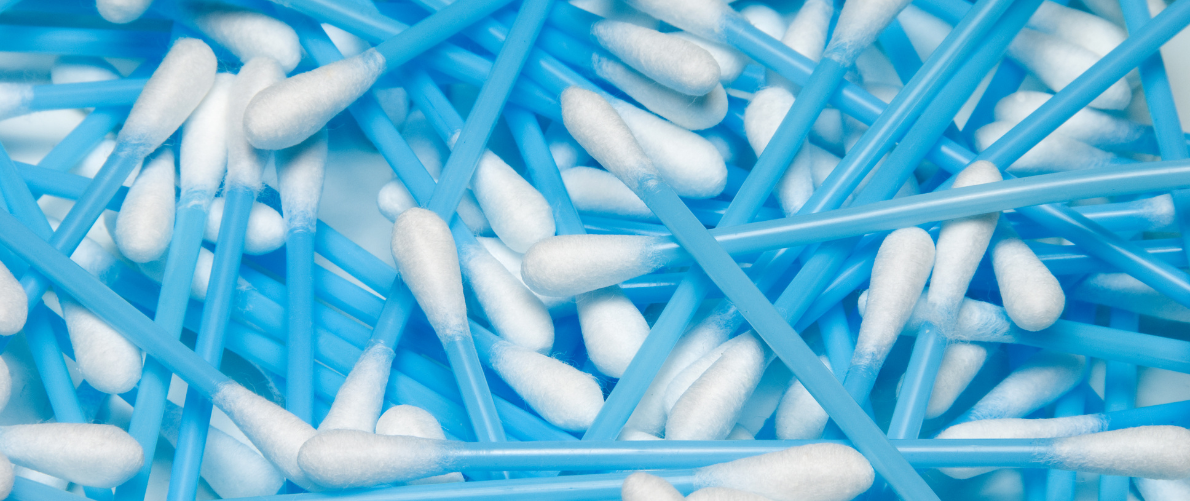
Regular ear cleaning should be a part of one's hygiene routine. However, using cotton swabs or similar tools can push the wax deeper, exacerbating the problem. Hence, it's more about understanding how to clean than just doing it.Professional Insight and the Way Forward
While numerous DIY methods are available, including those mentioned above, it's essential to remember that the ear is a delicate organ. If you're uncertain about the method or the tools to use, always consult with a professional. Regular check-ups with an ear specialist can prevent complications for those frequently troubled by excess wax. They can advise on the best ear wax removal tool tailored to your needs. Embrace the Call to Act Ear health is paramount. While it's heartening to see individuals take an interest in their well-being, it's equally crucial to approach it with the proper knowledge. If your ear feels clogged, but there's no wax, or you're just looking to understand how to remove ear wax, remember: it's not about removing the wax but maintaining ear health. And for that, sometimes professional intervention is the best course of action. To delve deeper into this subject and discover more about maintaining optimal ear health, click here to read more.References:
Smith, A.,& Patel, R. (2019). The Role and Characteristics of Cerumen in Ear Health. Journal of Clinical Research, 47(3), 456-463. Williams, E. & Hopkins, C. (2018). Safe Practices in Ear Wax Removal: A Comprehensive Review. British Medical Association Journal, 225(4), 120-127. Thompson, J. & Davies, L. (2020). Maintaining Ear Health & Approaches to Hygiene. Royal Society of Otolaryngologists Proceedings, 52(1), 33-40.