In this article
- What is Hormonal Pigmentation?
- Causes of Hormonal Pigmentation
- Estrogen and Hyperpigmentation
- Menopause and Skin Pigmentation Changes
- Other Hormonal Triggers
- Hormonal Pigmentation on Face: A Common Concern
- Hormonal Pigmentation: How to Get Rid of It
- Sun Protection
- Topical Treatments
- Hormonal Hyperpigmentation Treatment
- Natural Remedies
- When to See a Dermatologist
- Managing Expectations
- Conclusion: Take Control of Your Skin Health
- References
- What is hormonal pigmentation?
- How can I get rid of hormonal pigmentation on my face?
- What causes hormonal pigmentation?
- What treatments are available for hormonal hyperpigmentation?
Hormonal pigmentation, also known as hormonal hyperpigmentation, is a common skin concern that affects many individuals, particularly women. This condition manifests as dark patches or spots on the skin, often on the face. Hormonal changes primarily influence it in the body. This article will explore the causes of hormonal pigmentation, how it can be treated, and practical solutions to help you achieve more precise, even-toned skin.
What is Hormonal Pigmentation?
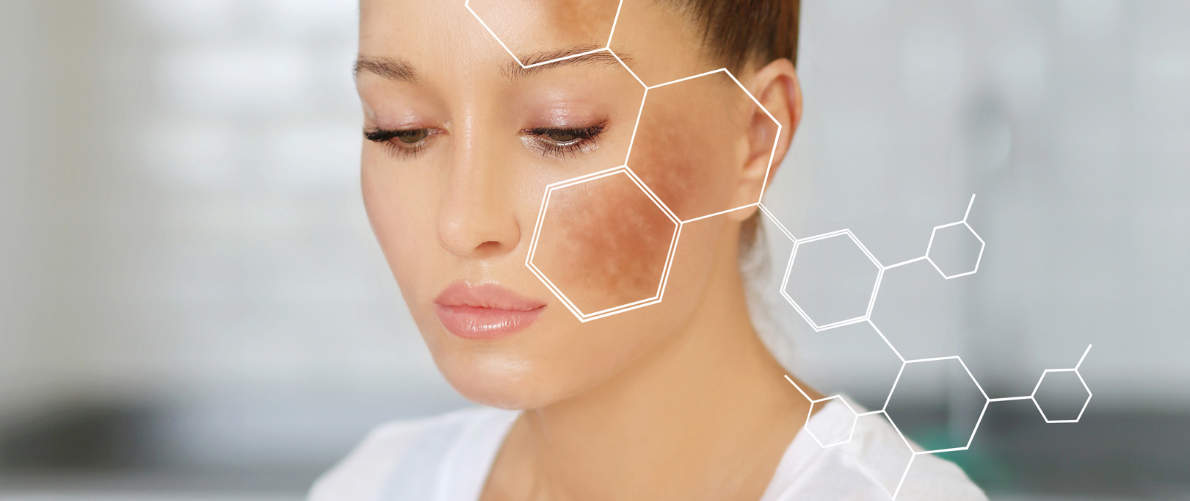
Hormonal pigmentation occurs when the body overproduces melanin, the pigment responsible for skin colour. Hormonal fluctuations can trigger this overproduction. The most common type of hormonal pigmentation is melasma, which often appears as brown or grey-brown patches on the face, particularly on the cheeks, forehead, nose, and upper lip.Causes of Hormonal Pigmentation
Estrogen and Hyperpigmentation
Hormonal pigmentation is often linked to estrogen, the primary female sex hormone. Estrogen can stimulate melanin production, leading to dark patches on the skin. This is why hormonal pigmentation is commonly seen in women, especially during periods of hormonal changes such as pregnancy, use of oral contraceptives, and hormone replacement therapy.Menopause and Skin Pigmentation Changes
Menopause also brings significant hormonal shifts that can lead to changes in skin pigmentation. The decrease in estrogen levels during menopause can increase melanin production, causing dark spots or existing ones to become more pronounced.Other Hormonal Triggers
Apart from estrogen, other hormones like progesterone and cortisol can also contribute to hormonal pigmentation. Stress, for instance, can increase cortisol levels, which may lead to hyperpigmentation.Hormonal Pigmentation on Face: A Common Concern
The face is the most common area affected by hormonal pigmentation. This can be particularly distressing for individuals as it directly impacts their appearance and self-confidence. Hormonal pigmentation on the face can vary in size and intensity, often worsening with sun exposure.Hormonal Pigmentation: How to Get Rid of It
Sun Protection
One of the most effective ways to manage hormonal pigmentation is through diligent sun protection. Ultraviolet (UV) rays from the sun can worsen hyperpigmentation, so wearing sunscreen with a high SPF is crucial, even on cloudy days. Additionally, wearing hats and seeking shade can further protect the skin.Topical Treatments
Several topical treatments are available that can help reduce the appearance of hormonal pigmentation. Hydroquinone, retinoids, and azelaic acid are commonly used to lighten dark spots. These treatments work by inhibiting melanin production and promoting skin cell turnover.Hormonal Hyperpigmentation Treatment
For more stubborn cases of hormonal pigmentation, dermatologists may recommend more advanced treatments. Chemical peels, laser therapy, and microneedling are some options available. These treatments can effectively target more profound layers of the skin to reduce pigmentation and promote a more even skin tone.Natural Remedies
Some individuals prefer natural remedies for managing hormonal pigmentation. Ingredients like aloe vera, turmeric, and liquorice extract have been found to have skin-lightening properties. While these remedies may not be as potent as medical treatments, they can be a gentle option for sensitive skin.When to See a Dermatologist
If you are struggling with persistent hormonal pigmentation, it is advisable to consult a dermatologist. A professional can diagnose adequately and recommend a tailored treatment plan based on your skin type and condition.Managing Expectations
It's important to note that treating hormonal pigmentation requires patience and consistency. Results may take time to become noticeable, and it is essential to follow your treatment regimen diligently.Conclusion: Take Control of Your Skin Health
Hormonal pigmentation can be challenging to manage, but with the right approach, achieving more precise, even-toned skin is possible. Whether you opt for sun protection, topical treatments, or professional procedures, addressing hormonal pigmentation requires a multifaceted strategy. Click here to read moreReferences
Hydroquinones. Medical search. Dictionary. https://lookformedical.com/en/info/hydroquinones List Top 20 Drugs That Cause Hyperpigmentation - Meds Safety. https://medssafety.com/list-top-20-drugs-that-cause-hyperpigmentation/ Melasma Treatment Specialist Near Me in Coquitlam, BC. https://ageless30.com/melasma https://www.thebestwayforhealthylife.com/2023/02/what-is-the-cause-of-hormonal-imbalance.html
What is hormonal pigmentation?
Hormonal pigmentation is a condition where dark patches or spots appear on the skin due to hormonal fluctuations, commonly seen in women during pregnancy, menopause, or when using oral contraceptives.How can I get rid of hormonal pigmentation on my face?
To eliminate hormonal pigmentation on the face, use sunscreen daily, consider topical treatments like hydroquinone or retinoids, and consult a dermatologist for advanced treatments like chemical peels or laser therapy.What causes hormonal pigmentation?
Hormonal pigmentation is caused by hormonal changes in the body, particularly due to fluctuations in estrogen, progesterone, and cortisol levels. This can happen during pregnancy, menopause, or stress.What treatments are available for hormonal hyperpigmentation?
Treatments for hormonal hyperpigmentation include sun protection, topical treatments (hydroquinone, retinoids), chemical peels, laser therapy, and natural remedies like aloe vera and turmeric.