The Essence of Light in Therapeutics
Every sunrise brings a new day filled with the brightness of potential and hope. The sun, our most natural and abundant light source, has bathed our planet for millennia. But what is light, and why does it possess therapeutic qualities?
At its essence, light is electromagnetic radiation visible to the human eye. While the light spectrum contains many types, from ultraviolet to infrared, each has unique properties and potential therapeutic applications. Phototherapy, using light to treat various medical conditions, is not a novel idea. History is filled with tales of ancient civilisations using sunlight to treat various ailments.
Different Light for Different Conditions
While the umbrella term "light therapy" is vast, it's essential to recognise the specific types of light and their targeted use.
- Blue Light Therapy: Predominantly used to treat conditions such as acne, this therapy targets bacteria causing inflammation. It's also notable in treating seasonal affective disorder (SAD).
- Infrared Light Therapy: Penetrating deeper into the body, infrared light aids in muscle healing, improving circulation, and pain relief.
- LED Red Light Therapy: A popular choice for skin rejuvenation, LED red light therapy encourages collagen production, reduces wrinkles, and combats signs of ageing.
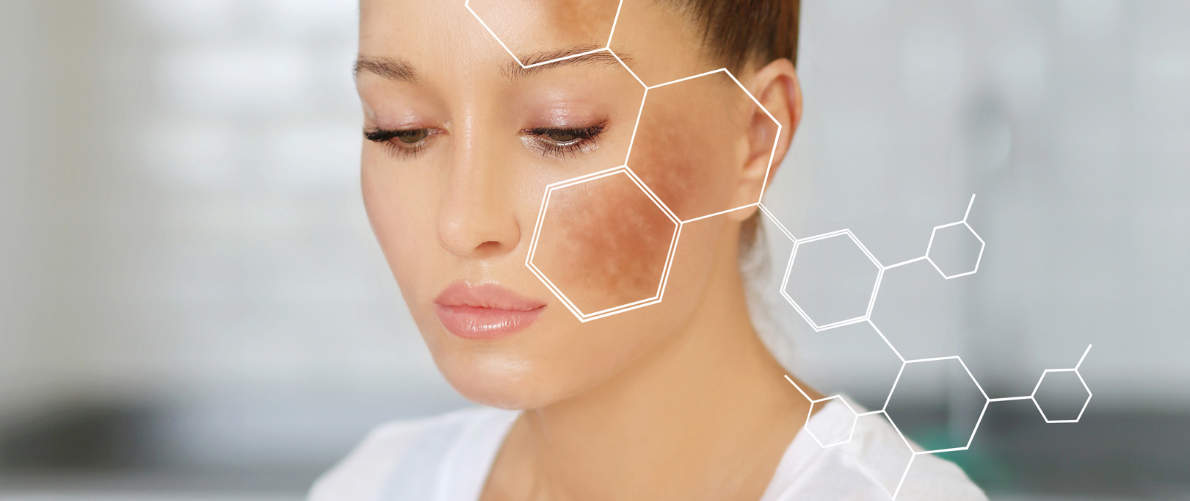
The skin, our body's most extensive organ, often bears the brunt of environmental factors. From UV radiation to pollution, the skin continually struggles to maintain health. Light therapy for skin, mainly red light therapy, has revolutionised face treatment. Its non-invasive nature and promising results have made it a favoured choice amongst those seeking a fresh, youthful appearance.
But how does LED work, and why is it so effective? LED stands for "Light Emitting Diode." It's a semiconductor device that emits light when current flows through it. One of the primary uses of LED is in lighting due to its energy efficiency and long lifespan. However, its uses have expanded into the medical and cosmetic fields.
The Multifaceted Uses of LED
When we think of LEDs, we typically visualise bright room lighting or the glow from our TV screens. But LED's spectrum is broad, with LED yellow light finding its niche in skin treatments to combat rosacea and sunburn. The question arises, "What does LED stand for in therapy?" It stands for hope, innovation, and a less invasive approach to health and beauty.
Beyond cosmetics, the benefits of light therapy extend to conditions like "icd 10 eczema," a coding used by healthcare professionals for this common skin ailment. Eczema sufferers often find relief with specific light treatments, minimising inflammation and itching.
Another widespread application of light therapy is combatting sleep disorders. Insomnia light therapy uses controlled exposure to specific wavelengths to regulate the body's internal clock, helping those struggling to rest.
For those who can't access the benefits of natural sunlight, sunlight lamps are an effective alternative. Mimicking the sun's brightness, these light boxes are particularly beneficial in regions with prolonged darkness or for individuals confined indoors.
The Future's Bright
While the horizon of light therapy is vast, and our understanding continues to evolve, the potential it holds for modern health is undeniable.
From transforming one's face treatment routine with LED red light therapy to seeking solace from a sunlight lamp on a gloomy day, the fusion of science and nature promises a brighter, healthier future. As technology advances and our knowledge deepens, light's therapeutic potential is poised to shine even brighter.
For those eager to delve deeper into the fascinating world of light therapy and its myriad applications,
click here to read more.
References
Hamblin, M. R. (2017). Mechanisms and applications of the anti-inflammatory effects of photobiomodulation. AIP Conference Proceedings.
Avci, P. Gupta, A. Sadasivam, M. Vecchio, D. Pam, Z. Pam, N. & Hamblin, M. R. (2013). Low-level laser (light) therapy (LLLT) in skin: stimulating, healing, restoring. Seminars in cutaneous medicine and surgery.
Liebert, A. Bicknell, B. & Adams, R. (2017). Protein conformational modulation by photons: a mechanism for laser treatment effects. Medical Hypotheses.

What is LED red light therapy used for?
LED red light therapy is predominantly used for skin rejuvenation, encouraging collagen production, reducing wrinkles, and combating signs of ageing.
How does LED work in therapy?
LED stands for "Light Emitting Diode," a semiconductor device that emits light when current flows through it. In therapy, specific wavelengths of LED light are used to target and treat various medical and cosmetic conditions.
Can light therapy be used to treat eczema?
Specific light treatments have been found beneficial in treating eczema by minimising inflammation and itching.
What is the purpose of a sunlight lamp?
Sunlight lamps mimic the sun's brightness and are used to offer the benefits of natural sunlight, especially in regions with prolonged darkness or for individuals who are mostly indoors.